Collaboration
Bring tribal transportation professionals and partners together around shared needs.
About OTTC
OTTC connects people engaged in tribal transportation throughout Oklahoma through collaboration, information sharing, education, resources, and professional relationships.
Who we are
OTTC brings together people engaged in tribal transportation throughout Oklahoma. The council supports professional relationships, information sharing, education, resource awareness, and discussion of transportation priorities affecting tribal communities.
OTTC’s role is collaborative. It provides a mechanism for participation and coordination without overstating its authority or speaking for every Tribe.
Verified bylaw foundation
OTTC values tribal self-determination and self-governance, to better plan and develop strategies, and to serve communities. Tribal governments have shown they can maintain roads, bridges, and transit services given necessary funding. OTTC was organized and established to further this cause.
Mission & purpose
The council’s mission establishes a practical mechanism for Oklahoma Tribes to identify opportunities, strengthen information, and engage around transportation needs.
OTTC provides a mechanism through which Oklahoma Tribes can access funding and other resources from Federal, State, and Local Governments; develop means to access foundation resources; assist tribes with data and information collection; encourage members of Congress to consider the transportation needs of Oklahoma tribes; and seek active participation.
Statewide participation
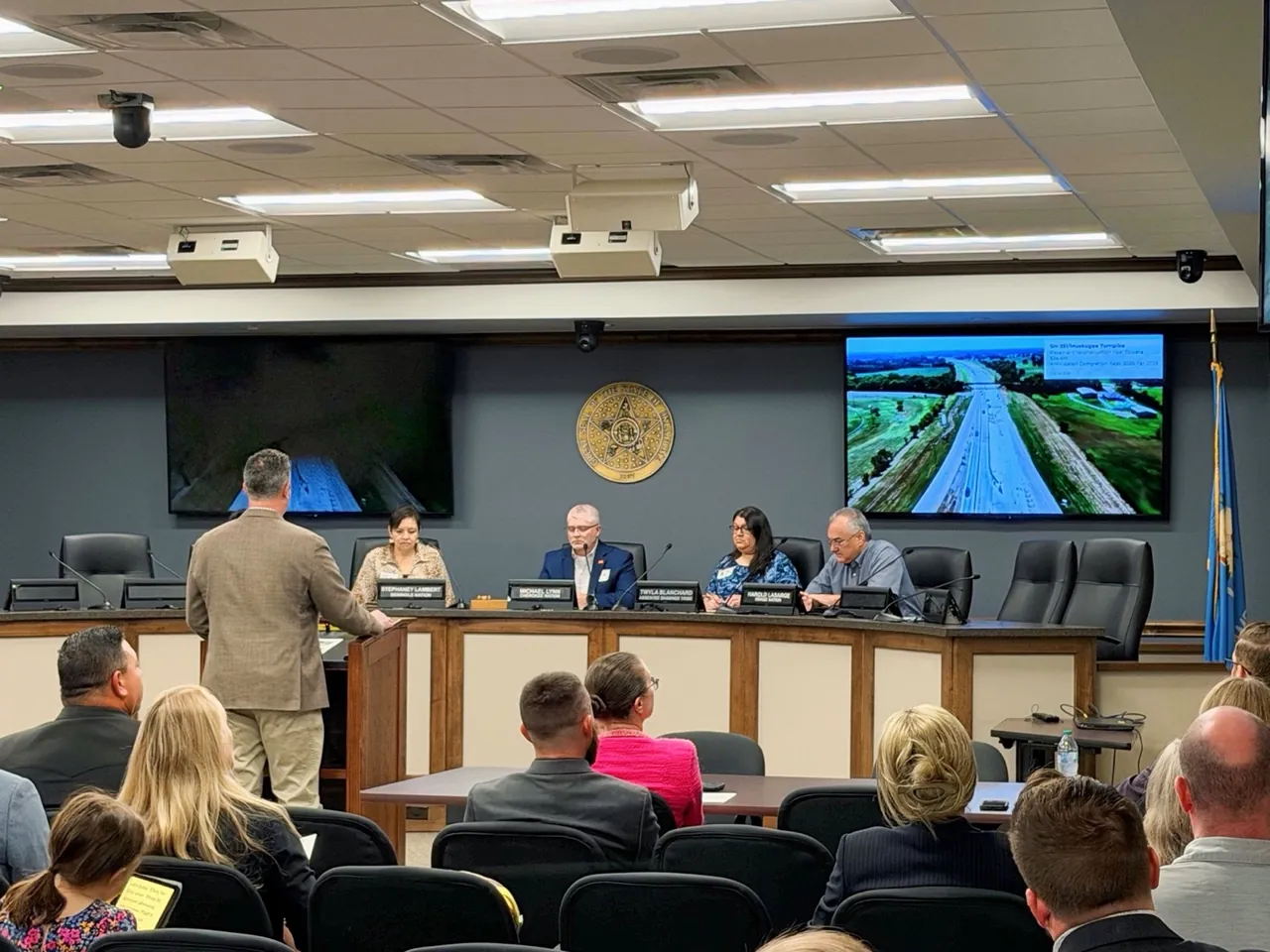
Bringing transportation partners together supports direct exchange, shared learning, and stronger working relationships across Oklahoma.
What we do
OTTC’s work centers on the relationships and information that help tribal transportation professionals coordinate effectively.
Bring tribal transportation professionals and partners together around shared needs.
Create space for timely information exchange and coordinated discussion.
Support learning about transportation programs, planning, and resources.
Help identify information and resources relevant to tribal transportation.
Strengthen working relationships across governments, agencies, and the field.
Advance consideration of Oklahoma tribal transportation needs.
Our role in Oklahoma
OTTC provides a statewide setting for Oklahoma tribal transportation interests and partners to connect. This focus supports discussion of locally relevant needs while strengthening relationships with those working across transportation programs and governments.
OTTC impact
When OTTC verifies its reporting data, this area can present participating Tribes, meetings held, resources shared, scholarship support, training attendance, and partnerships without redesigning the page.
No counters or totals are shown until OTTC approves the underlying data. Future measures will connect activity to clearer access, stronger relationships, and shared transportation knowledge.